The text on the site is translated into English, errors are possible. Sorry...


1796 Pattern British Infantry Officer’s Sword
€1,290Track price
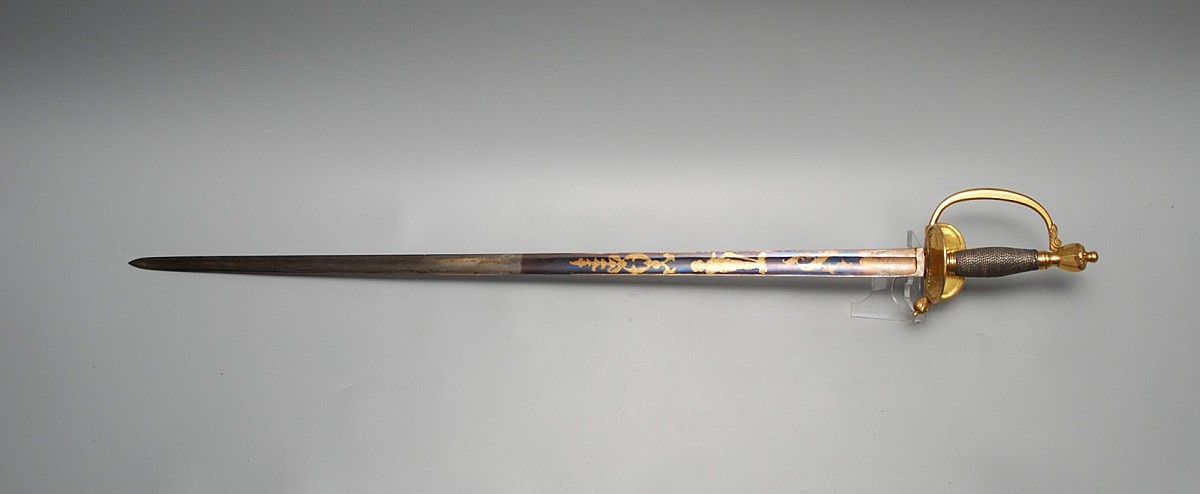
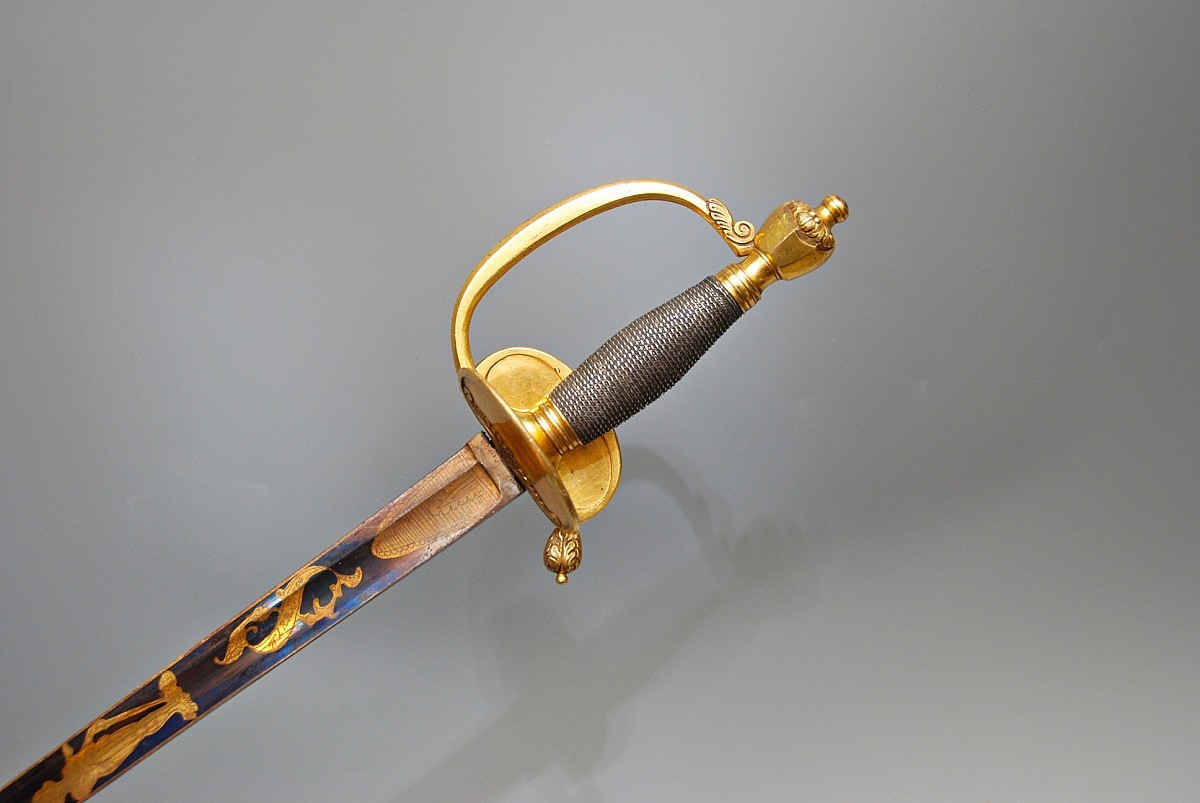
The 1796 Pattern British Infantry Officer’s Sword was a light sword worn by officers of the British Army between 1796 and 1822. This sword is a symbol of the Napoleonic Wars, fought between 1803 and 1815.
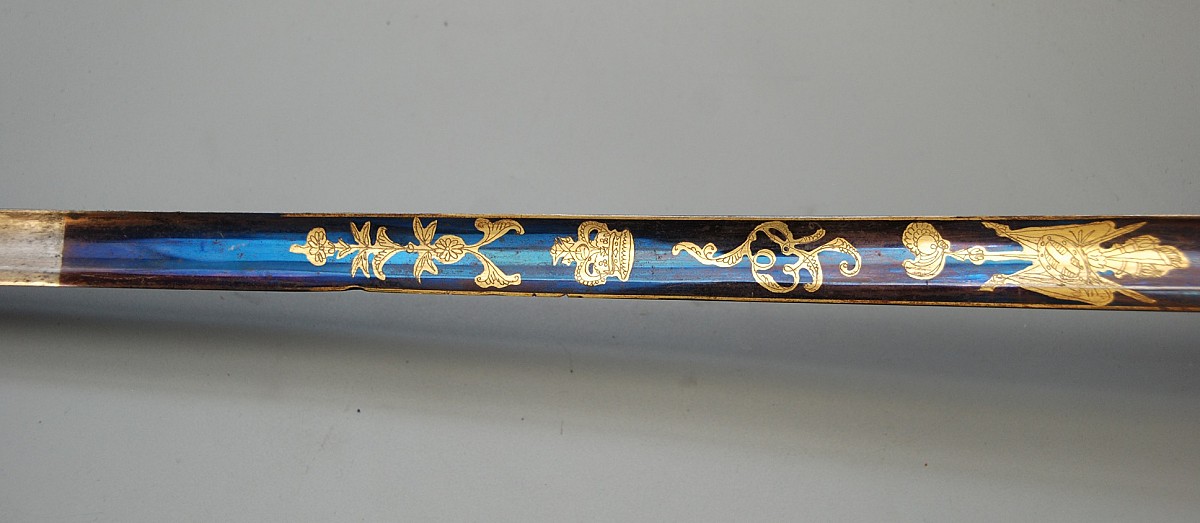
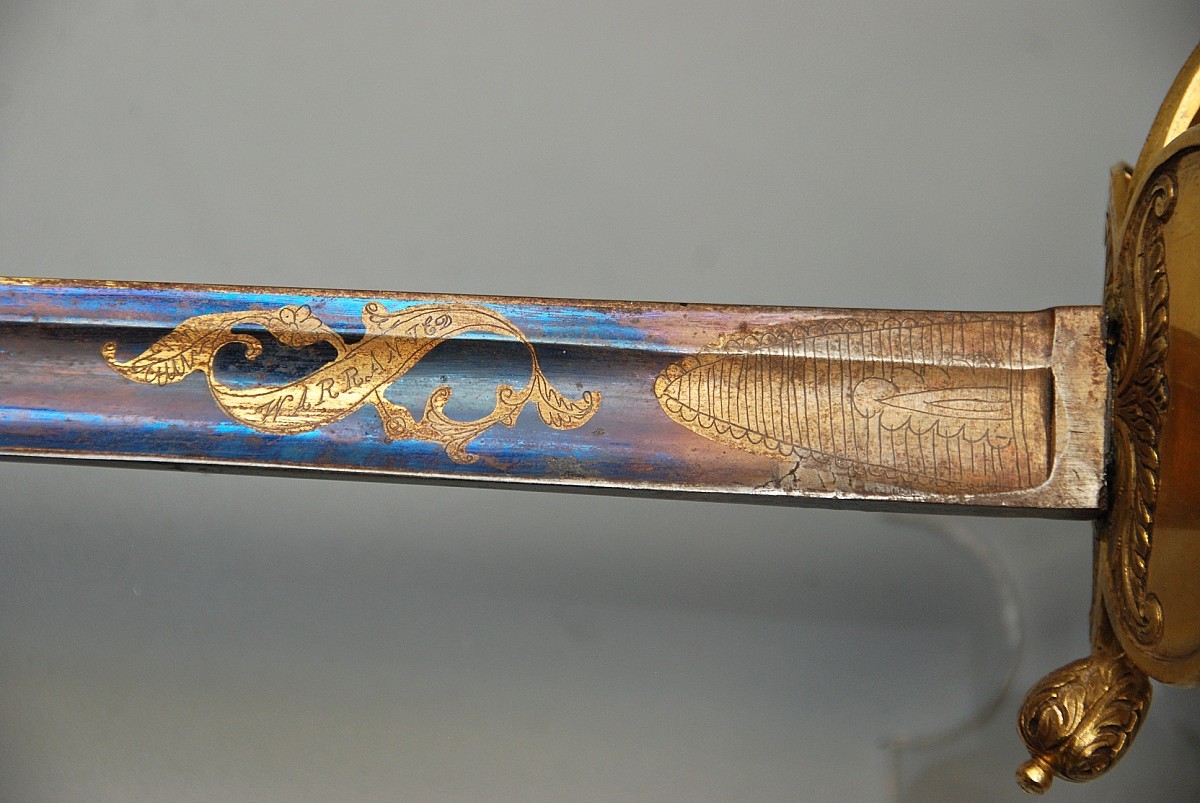
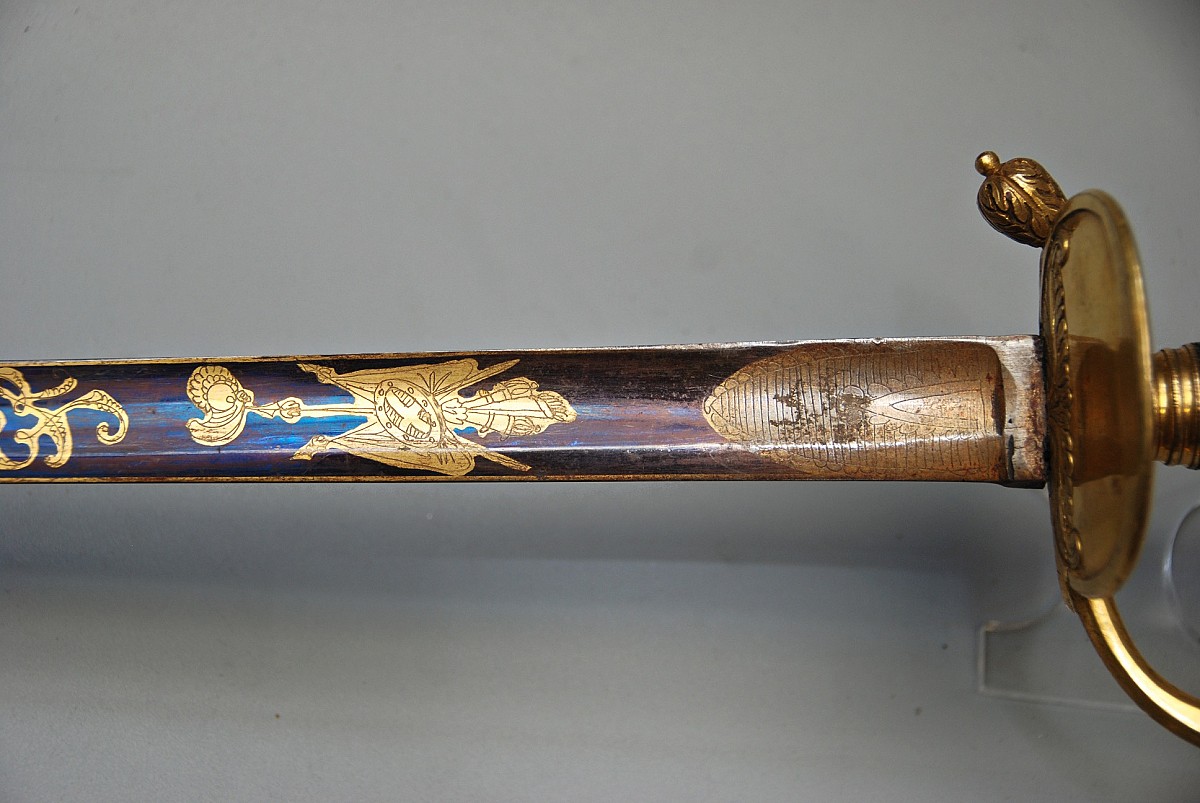
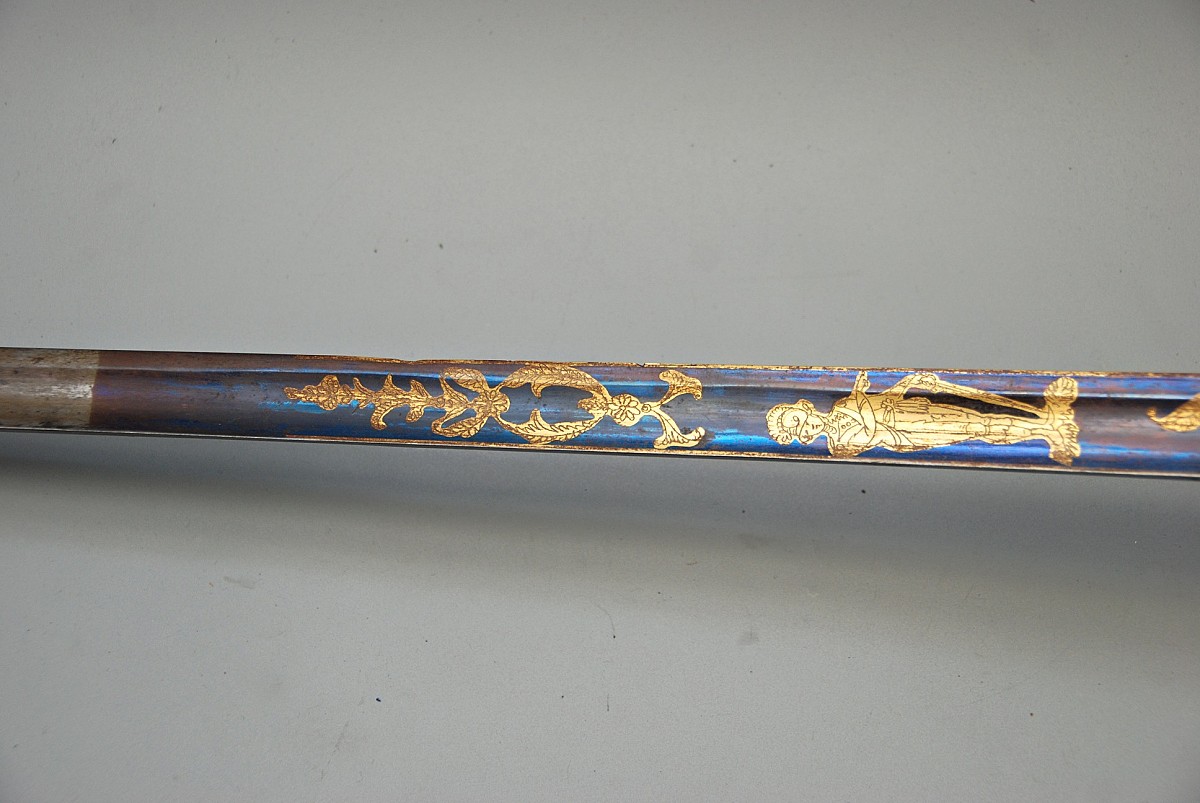
The blade is decorated with blue and gilding, exquisitely sharpened as a symbol of honor and bravery in battle.
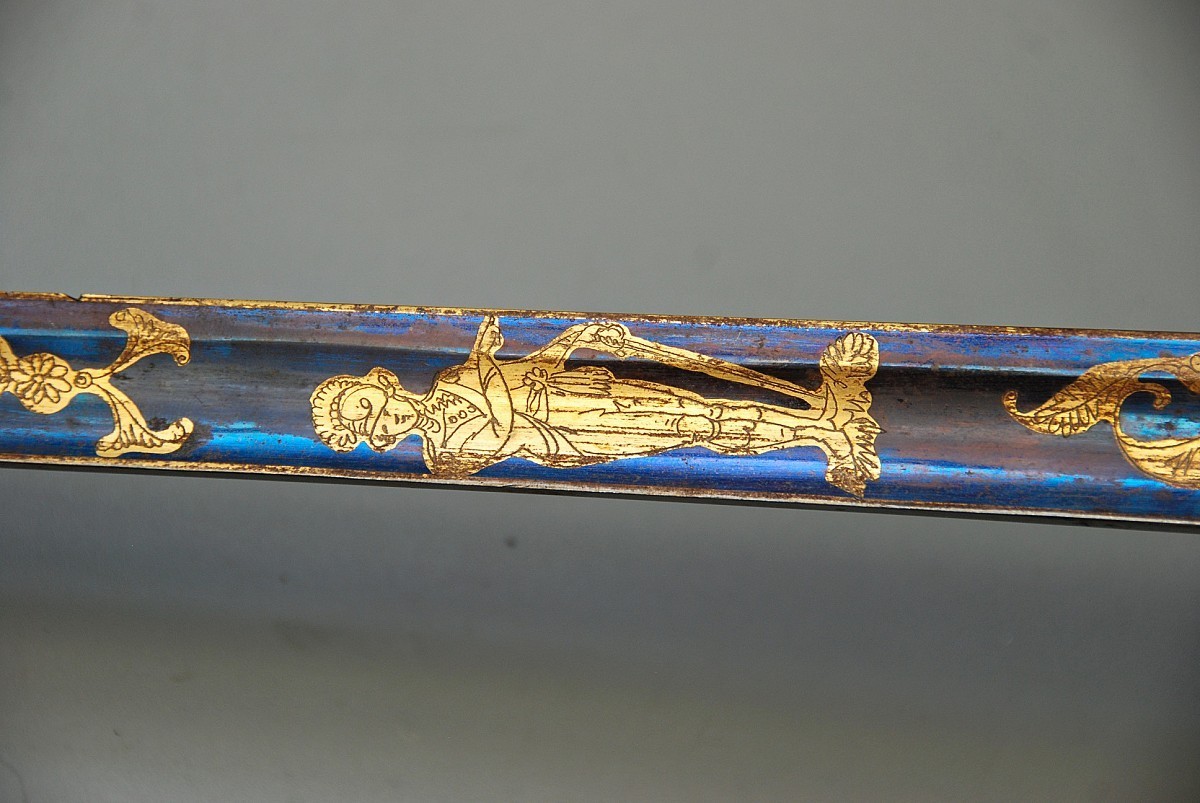
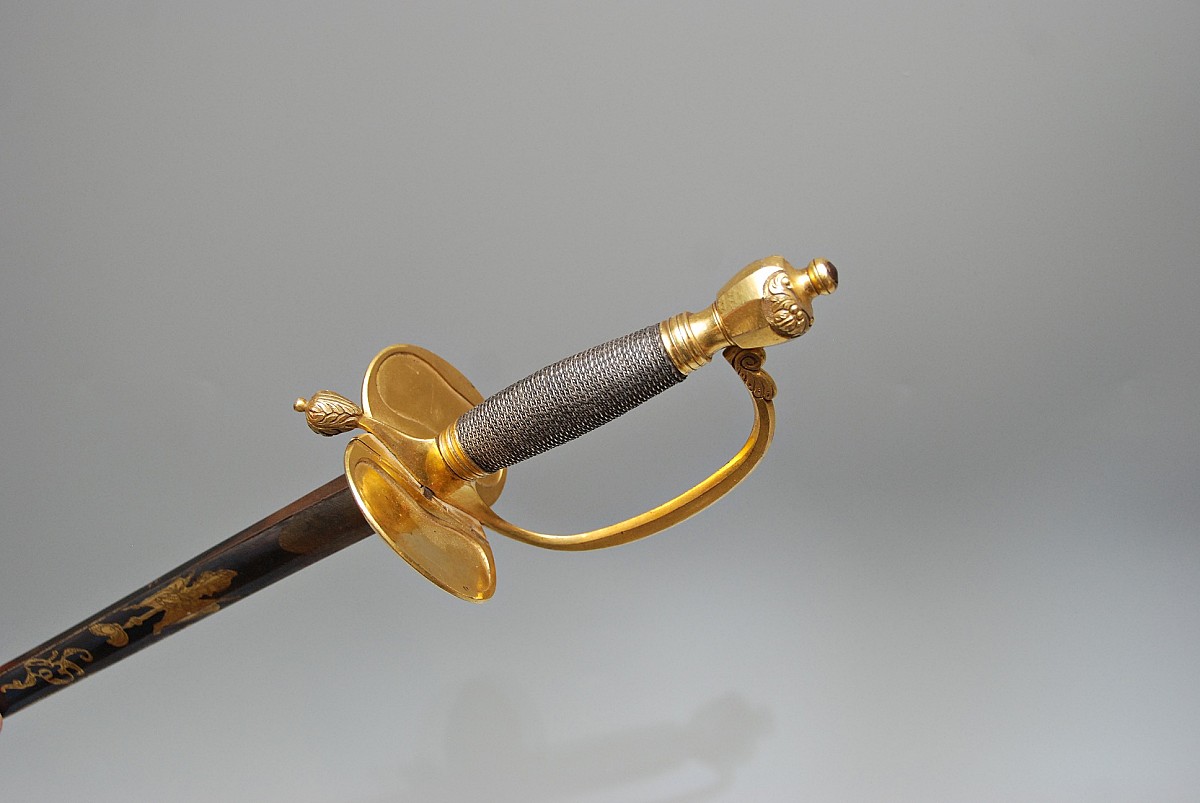
The blade is steel, straight, single-edged, the combat end is double-edged. Decorated using the etching technique with floral ornaments, as well as military trophies. Also, the blade is decorated with blue and gilding. Throughout the complexity of the blade captures traces of existence.
Buy antique ⚔️1796 pattern British infantry officer’s sword for gifts ? and collectibles for Europe and USA
The 1796 Pattern British Infantry Officer’s Sword was a light sword worn by officers of the British Army between 1796 and 1822. This sword is a symbol of the Napoleonic Wars, fought between 1803 and 1815. The blade is decorated with blue and gilding, exquisitely sharpened as a symbol of honor and bravery in battle.
The blade is steel, straight, single-edged, the combat end is double-edged. Decorated using the etching technique with floral ornaments, as well as military trophies. Also, the blade is decorated with blue and gilding. Throughout the complexity of the blade captures traces of existence.
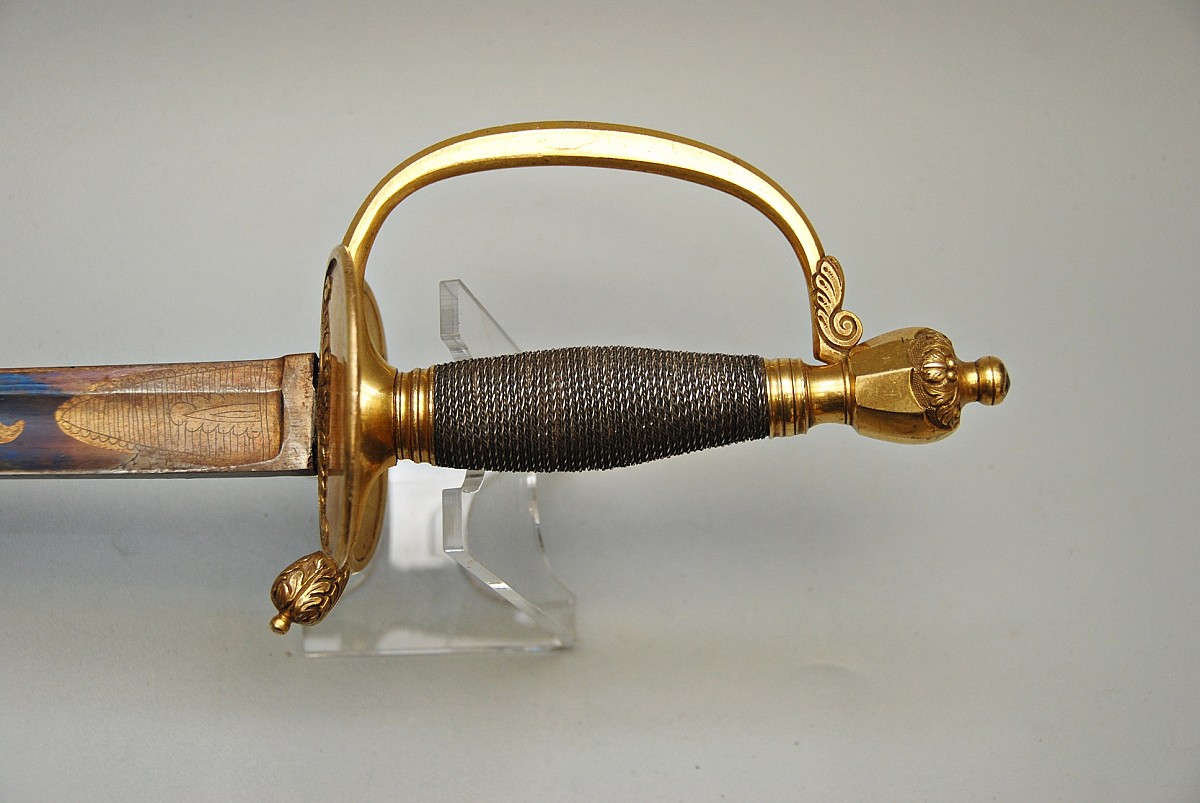
The brass hilt consists of a hilt and a guard.
Barrel-shaped handle wrapped with steel or silver straight wire. The guard consists of temples and two shields, the lower shield is folded down for comfortable wearing.
Pommel in the form of an urn with a round twist.
Historical information:
Type of 1796 Pattern British Infantry Officer’s sword was adopted shortly after the official abolition of the officer’s esponton (half-pike), which on the battlefield served as a symbol of power rather than an effective military weapon. King George III approved the straight blade and single fuller pattern, the original 1786 versions of the epee resemble the espadrone and are found with a straight pommel, a fluted ivory hilt and a cushion, vase or urn head.
Soon a model with a two-petal cup appeared, it is she who is most common. Early specimens of the 1786 sword have a rigid two-bladed cup, which was replaced in 1796 with a model with a folding inner cup blade.
This modification allowed the officer to avoid abrasion of the uniform. The model for non-commissioned officers is found with a simple hilt, blade and scabbard device made of brass. This model is much less common than an officer’s one, since such weapons were written off as scrap if they were in a malfunctioning condition.
For 25 years, the Model 1796 sword of the year remained the main weapon of the British infantry officer, this model influenced many countries, especially the United States, so the sword of the American non-commissioned officer of the 1840 model bears a striking resemblance to the British.
The obvious shortcomings of the sword and combat inconsistency caused the death of many British officers. Hand protection was minimal, and the blade was rather thin and brittle.
Product Image:


Reviews
There are no reviews yet.