Medieval Battle-Ax Western Europe, 13-15 centuries
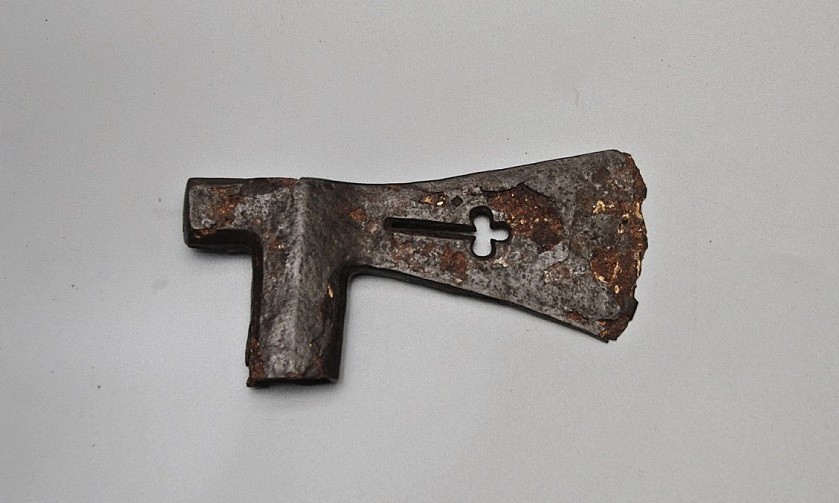
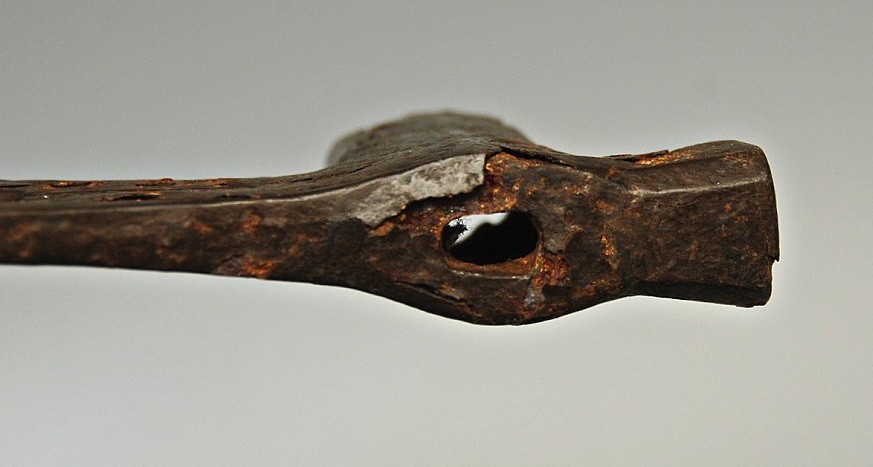
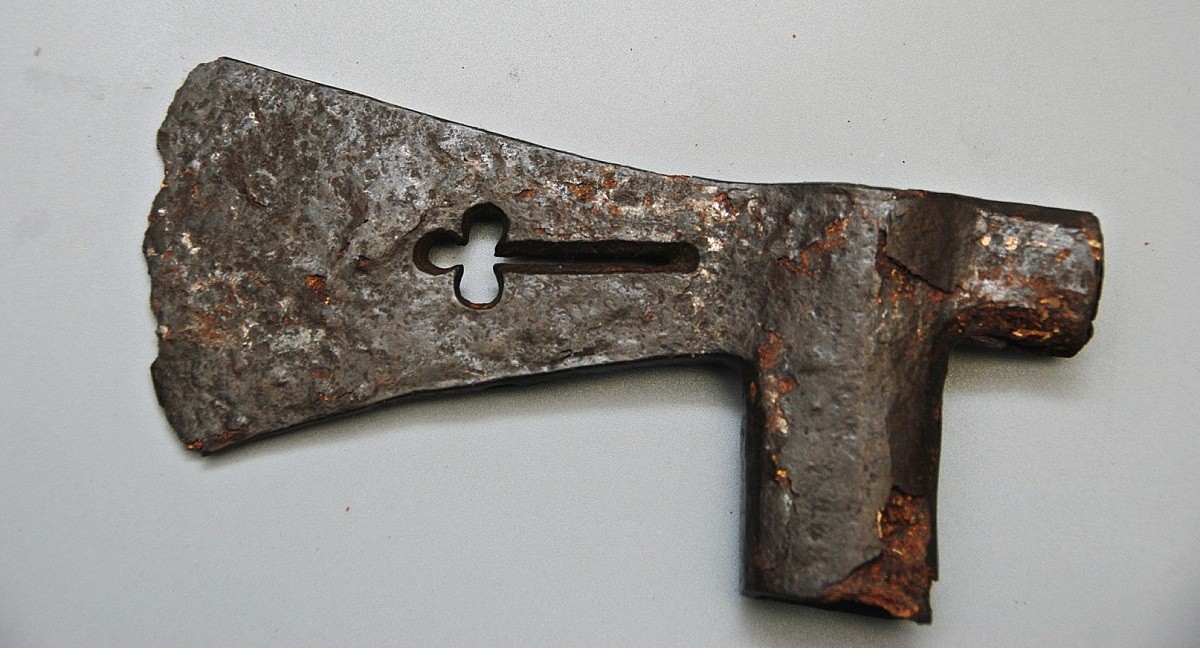
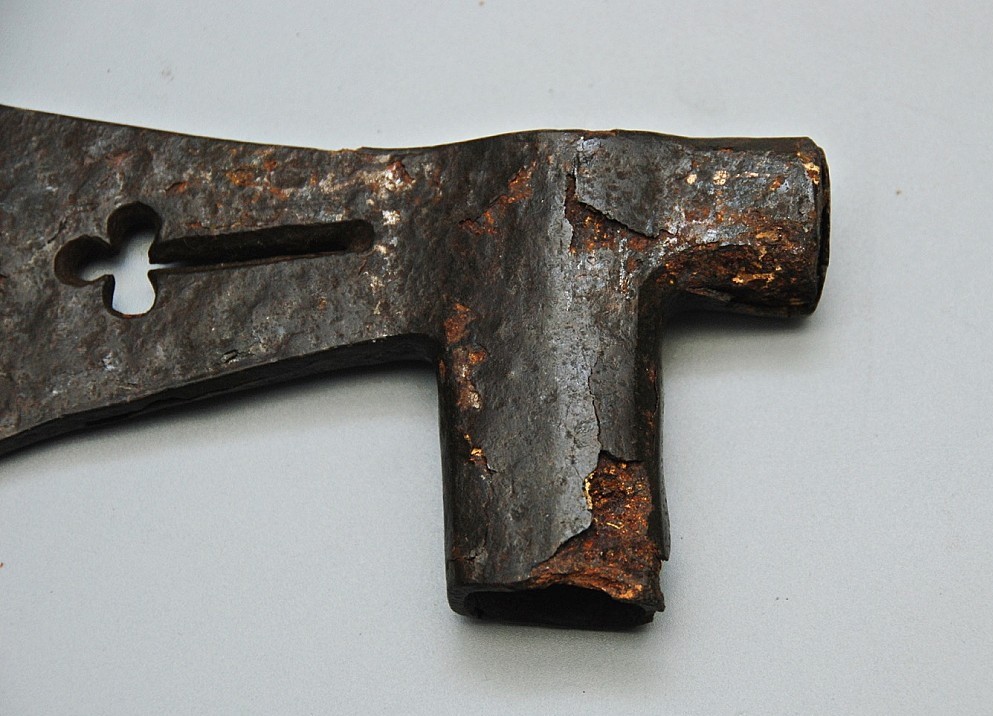
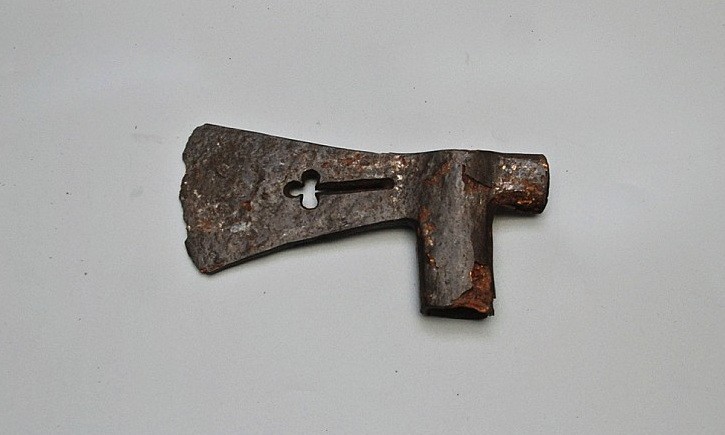
This is a battle-ax from the late medieval period. It has a broad axe head that is shaped like an elongated.
This battle-axe was made in Western Europe, and it was used between the 13th and 15th centuries. The blade of the axe has been forged with an edge on one side, which would have been used to chop down opponents.
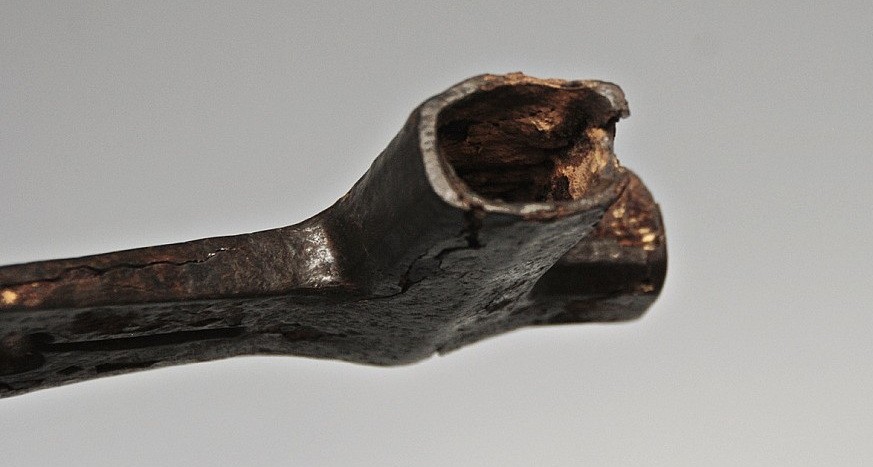
The head of this axe was installed is mounted on a long wooden pole that would have allowed it to be swung with more power than if it were held by hand alone (wooden pole not survived).
Buy antique ⚔️ Battle-Ax Western Europe, 13-15th centuries for gifts ? and collectibles for Europe and USA
This is a battle-ax from the late medieval period. It has a broad axe head that is shaped like an elongated.
This battle-axe was made in Western Europe, and it was used between the 13th and 15th centuries. The blade of the axe has been forged with an edge on one side, which would have been used to chop down opponents.
The head of this axe was installed is mounted on a long wooden pole that would have allowed it to be swung with more power than if it were held by hand alone (wooden pole not survived).
The battle-axe was used in ancient warfare, but its use continued into later medieval times, and it has been used as a ceremonial weapon since then.
This section has keywords such as antique broad axes, vintage battle axe, executioner axes.
Like most other “simple” types of melee weapons, the battle ax is a war-adapted tool. In fact, ordinary working axes were used as weapons by militias in all regions of distribution of this tool almost until recently. The first battle axes were almost indistinguishable from the working ones. The first changes concerned the material and quality of workmanship – for example, the blade was made of quality steel instead of simple iron. Sometimes the changes concerned the shape or length of the ax handle.
Then the shape and size of the blade evolve, which is increasingly moving away from the original purpose – woodworking. In general, axes develop in two directions – either in the direction of relatively small and narrow-bladed, which are a quick weapon for piercing armor, or in the direction of heavy wide-bladed often two-handed specimens. The next stage of development is the overgrowth of axes with additional elements – hooks, blades, points, guards, as a result of such evolution, two-handed axes often cease to be axes and turn into other types of long-range melee weapons such as halberds. The infantry used large heavy axes on a long handle; a large ax with a heavy butt was called a balda. The cavalry were armed with lighter and shorter axes. Axes as a weapon – bartka – are known to the Hutsuls.
Product Image:
Reviews
There are no reviews yet.
Be the first to review “Medieval Battle-Ax Western Europe, 13-15 centuries”Cancel Reply






Reviews
There are no reviews yet.